
An Unsung Factor that Gets Politicians Re-Elected
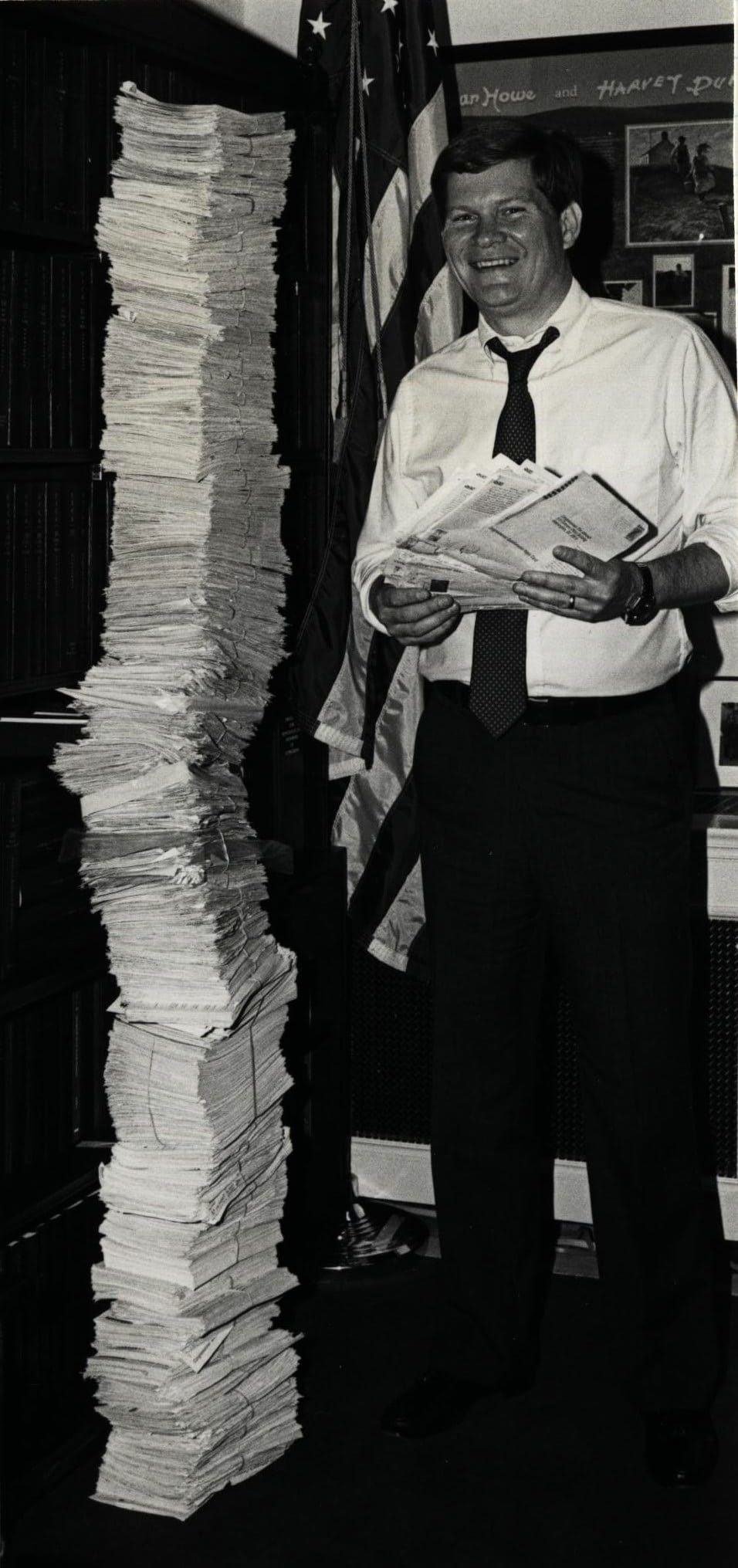

It was personal to me, my friend said over lunch one day. When I called the Senator’s office for help, they didn’t ask my party or who I voted for. They just asked the need-to-know questions and then got to work trying to get my family home from overseas where they were stranded.
That lunchtime anecdote is casework. Every Member of Congress has caseworkers in their district offices who help resolve specific problems constituents are having with federal agencies.
Maybe you switched banks and your Social Security checks aren’t coming to your new account. You got married, changed your last name, and you’re not getting your V.A. benefits. You didn’t get your tax return. You’re getting rejected from Unemployment Insurance when you’ve read the criteria twice over and know you qualify. You’re rushing to get a visa for a funeral next month in Vietnam.
Congress is passing few bills these days; the ones they do pass can feel 30,000 miles removed from our daily lives (though the feeling isn’t necessarily aligned with the reality).
But casework is personal. It tackles a problem in the red-hot middle of your life. A politician’s office helping to get your father his rightful immigration status or your Medicare benefits straightened out can provide long-delayed relief which often transforms into long-lasting gratitude.
And even if the politician’s office can’t resolve the problem, the fact that they tried, that they co-held your problem alongside you - which can be profound validation of your pain - is meaningful unto itself.
Casework also provides the kind of help people tend to talk about: over lunch, at holidays, or when the politician’s name comes up. Which can build goodwill for the politician far beyond the immediate beneficiaries of casework.
Add that all up and it can translate into Election Day votes, making good casework an often overlooked factor in re-elections.
Who benefits the most electorally from casework? Longterm incumbents. For two-ish reasons.
First, they've been around a while, which means if they’re doing their job, they’ve logged years of casework wins and appreciative constituents. Unless the opponent has held elected office and done casework, there won’t be a similarly powerful wake of casework gratitude behind them.
Second, longterm incumbents tend to have pretty experienced caseworkers who know the ropes, have established relationships in federal agencies, and can move things as efficiently as possible through the bureaucracy. And here’s the two-ish part: it’s not impossible that federal agencies might be quicker to respond to a more senior politician who holds more sway over their funding or regulations than a junior politician with junior caseworkers who are still learning the ropes.
So why does this all matter?
First: An excellent casework operation can build lifetime appreciation among constituents, even those who aren’t in the same party. It’s not hard for that appreciation to translate into votes.
Second: If you have a specific issue with a federal agency, reach out to one of your Members of Congress. And perhaps start with the most senior Member.
Happy to report that the Senator’s office helped my friend’s family get home from overseas. And at lunch, my friend summed it up in five word: I will never forget that.