
Clues to Understanding Politicians
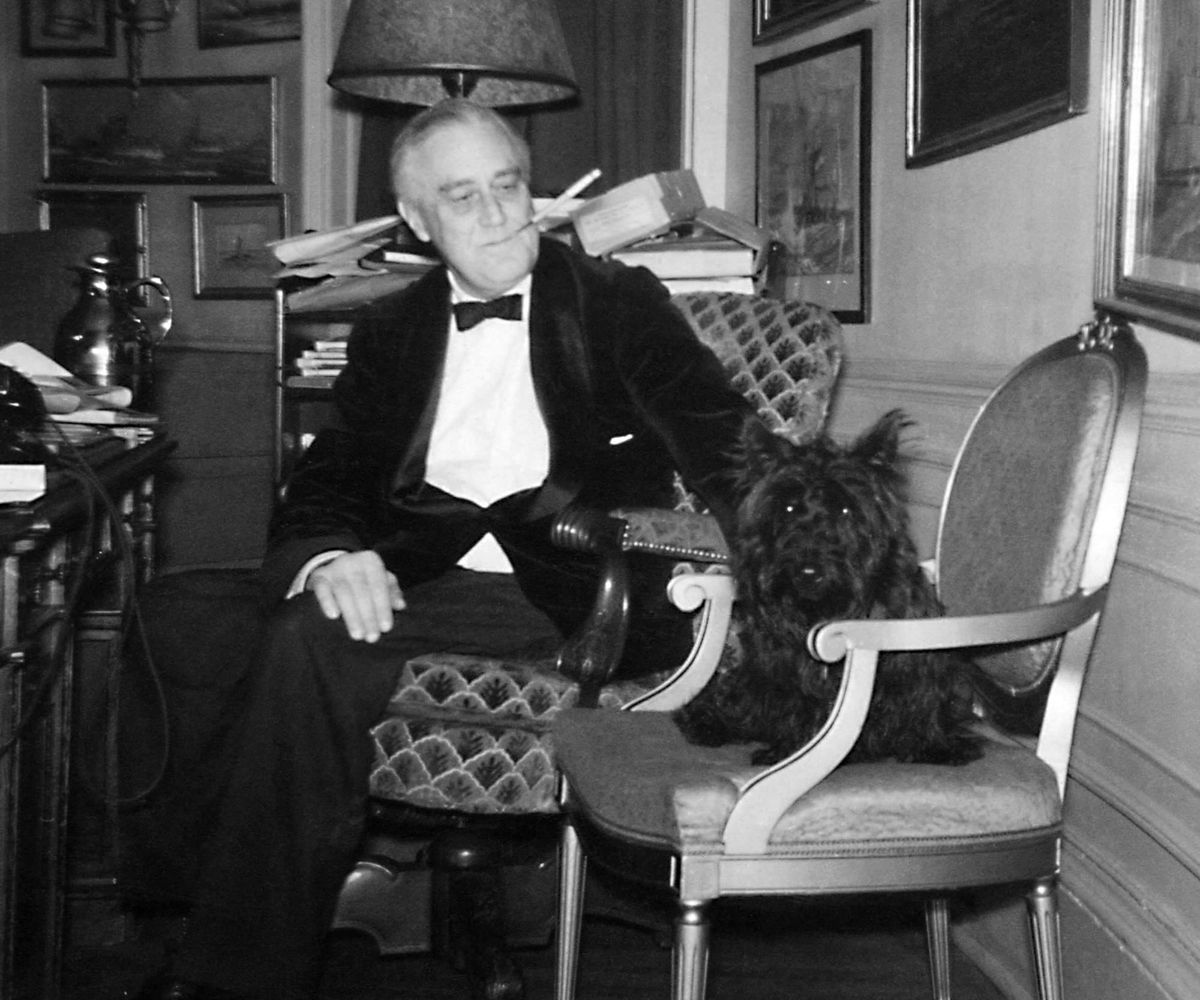

I’ve been doing a bit of dog training. And what I’ve come to realize is it’s really human training. After my shaggy mutt and I do a session together, we both need a snack and a nap.
If I had to boil dog training down to three words, they would be notice, notice, notice. Dogs are dropping clues all over about what it’s like to be them in this moment. The size of their pupils, position of their ears or tail, pace of breathing are all windows into how they’re feeling.
The same could be said of any of us, right? Our tone of voice, facial expression, body language are little portals into how we are feeling and fairing.
And this applies to those fascinating 535 creatures in Congress, too. This particular species of human leaves a thick wake of clues wherever they go.
How do we get 535 Members in Congress? There are 100 Senators and 435 House Members. But Congress is dispositionally unable to make things cut and dry; at the time of this writing, there are actually only 431 House Members due to a mix of dramatic resignations, less dramatic retirements, and sadly, deaths.
So choose a politician in Congress you’re curious about, ideally one who represents you (find out who they are here). Now here are three clues that tell us something about who they are and what kind of power they have.
Committees
What committees do they sit on? You can find that from the bio page on their official website. Committees are clues about what issues they think are important, perhaps most especially in their district.
If a Senator sits on the Armed Services Committee, that’s a priority for them. Ditto if a House Member sits on Agriculture.
So if we want to frame an ask a politician could take seriously, it sure doesn’t hurt if we can find a way to frame it in the context of their Committee work.
Bills
How many bills have they introduced? More importantly, how many bills have they gotten passed? Or at least passed out of Committee? (You can find that by running a search or two on Congress.gov, one of my go-to sites.)
The answer to those last two questions are clues about their legislative chops: it’s easy to introduce bills, but do they have the know-how to get them across the finish line (much harder).
Pro Tip: Serious bills are usually bills that fall under the jurisdiction of a Committee the politician sits on. As a Committee member, they have much more heft to get the bill moving through that Committee than a bill that falls under the jurisdiction of a Committee they aren’t on.
Seniority
The longer you’ve served in Congress, the more power you have to get your calls returned, requests granted, projects funded, bills passed.
So how long has your politician been in office?
One politician in my state has served seven years, another has served 29 years. The latter has much more heft to get what they want than the former.
Macbeth nailed politics: much of it is sound and fury signifying nothing. But! If we can notice the clues politicians are dropping, we can better separate the signal from the sound. And not only better understand how our democracy works, but how we can make it better work for the causes we love.