
A Secret Strategy for Making Good Change
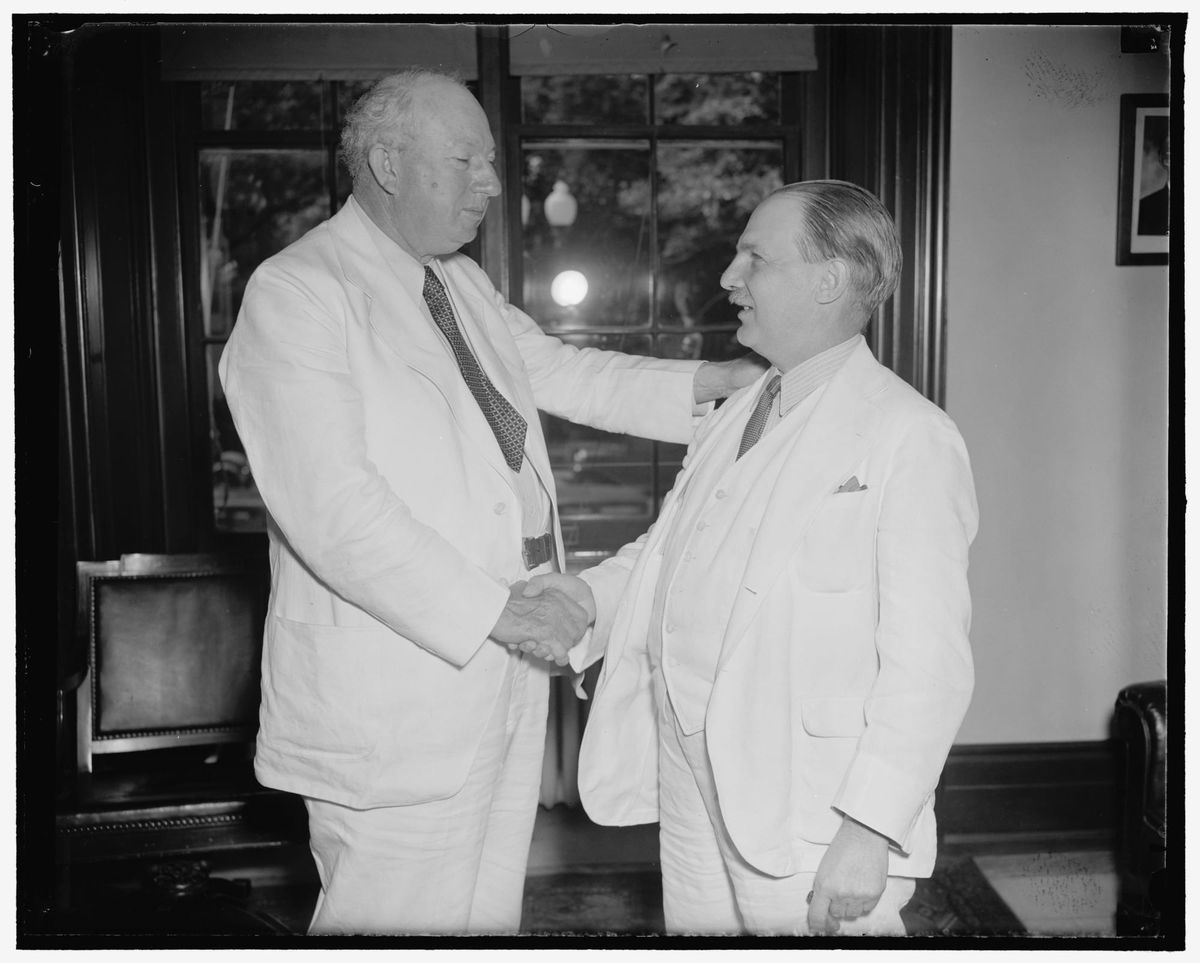
When I worked in Congress, the meeting requests that came into our office were nearly always for time with the Congressman. The buck stops with the politician, so of course that’s who you should meet with, right?
But here’s a fun little secret nobody tells you: meeting with a politician’s staff can be just as effective, if not more so, than meeting with a politician.
I know, I know, it’s novel to get a picture with your Senator – state flag and name placard in the background. It’s so much cooler to say, “I met with Senator X,” than, “I met with Senator X’s Legislative Assistant.”
The former makes you sound like a big shot to the folks you’re talking to. The latter leaves folks a bit miffed: you met with a Legislative what?
Here’s a general pecking order of titles you may encounter in D.C.
Chief of Staff: Top Banana; in many offices, the Chief’s word is as good as the politician’s.
Legislative Director (LD): Oversees legislative priorities, though in some offices, they don’t have much more authority than a glorified legislative assistant (see below).
Legislative Assistant (LA): Has a specific portfolio of policy issues they handle. You may also see Senior LA or Senior Policy Advisor. Those could be a function of experience, number of years in the office, or good skill negotiating job titles.
Legislative Correspondent (LC): Writes letters, might help LAs with some policy work.
Staff Assistant: Answers phones, gives tours, runs errands.
Congress is basically 535 small businesses (100 Senate offices, 435 House offices); so each office can do with these titles what they want, but this is some rough landscaping.
I’d take a staffer meeting over a politician meeting any day of the week, and twice on Sundays, for a few reasons.
First: It’s easier to get a meeting with staff.
Politicians’ schedules are double and triple-booked. Trying to get on their calendar can be like trying to glue water to the wall. It can take months, then you get the meeting and it’s cancelled at the last minute because the Congresswoman has to run to votes, take a call from the White House, is pulled into an urgent meeting with Bono or Paris Hilton or the Pope.
Staffers are generally easier to get a meeting with, especially during recess (ahem, district work periods) when the boss is back in the district and most folks in DC breathe a little easier, maybe even wear jeans.
Second: If staff are on board, they can get the politician on board
Most likely, the staffer will know the politician better than us. Which means they know how to frame an ask a politician can get excited about.
If we get the staffer on board, they can do the heavy lifting of getting the politician on board.
Third: Staffers will do the follow through anyways
Let’s say we do meet with the politician and she says, “Brilliant! I’m in!” Her next step will be to delegate the next steps to her staff. If the staffer isn’t bought in, the next steps can really be a drag. So why not just start the conversation with the staffer anyways.
One final note: most of these staffers work lousy hours for peanuts pay. They could be making way better money in the private sector, but for whatever reason, they’ve chosen to be public servants instead.
Even if we disagree with their boss on nearly everything, let’s treat these folks with respect. Not only is it the right thing to do, it makes us stand out because it’s so dang rare in policymaking these days.